
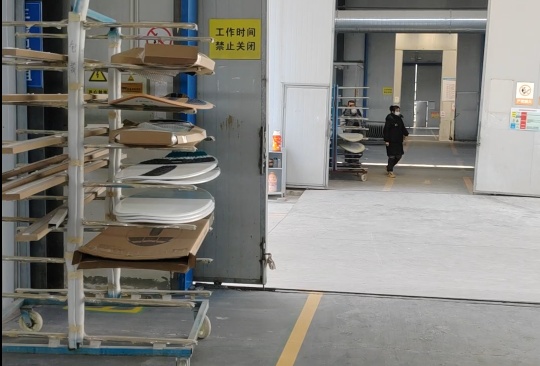
Selecting the right foilboard is essential to getting the best performance and safety out of your ride. Unlike traditional surfboards, foilboards rely on precise balance, hydrodynamic lift, and weight distribution. Size and volume directly affect how easily you can take off, maintain flight, and control the board. Here’s a quick guide to help you match your foilboard to your skill level and preferred riding style.
1️⃣ Understanding Size: Length and Width
The size of a foilboard determines both stability and maneuverability.
– Longer boards (5’5”–6’0”) provide greater pitch stability and easier early takeoffs, especially for beginners or heavier riders.
– Shorter boards (4’0”–4’8”) offer faster response and agility but require good control and precise foot placement.
– Wider decks (above 26″) offer more side-to-side stability, while narrow decks improve carving once airborne.
The general rule: larger for learning, smaller for progression.
2️⃣ Getting Volume Right
Volume—measured in liters—is one of the most critical parameters when choosing a foilboard. It determines buoyancy and influences takeoff ease.
– Beginners: choose a board with 20–40 liters above your body weight (in kg).
– Intermediate riders: a 1:1 ratio of body weight to volume is ideal.
– Advanced foilers: prefer lower volumes (50–60 L) for agility.
Higher volume boards float easily, giving you more time to balance before takeoff. Lower volumes feel more reactive but require faster control and pumping skill.
3️⃣ Matching Skill Level and Riding Style
Foilboarding isn’t one-size-fits-all. Each discipline—surf foil, wing foil, wake foil, or e-foil—has different requirements.
Beginners should start with larger, high-volume boards featuring soft edges or reinforced deck pads. Intermediate riders can move to smaller boards with stiffer carbon construction for more responsiveness. Advanced riders typically use compact boards under 4’6” with high-aspect foils for tight turns and racing performance.
4️⃣ Construction and Material Considerations
Modern foilboards use epoxy, carbon fiber, or hybrid layups for optimal strength-to-weight ratios. Carbon offers stiffness and durability, while epoxy composites balance flexibility and affordability. Soft-top or epoxy-soft hybrids are ideal for training or rental use, combining safety with performance.
Key features to look for:
– Reinforced foil mount boxes.
– Even lamination and strong bonding.
– Footstrap inserts for advanced control.
5️⃣ Final Thoughts
Choosing the right foilboard is a mix of physics and feeling. Start with stability, then move toward performance as your skills progress. A properly sized foilboard not only makes riding easier but also lets you fully experience the unique glide and freedom that make foiling one of the fastest-growing water sports today.